




Oophorectomy (Ovary Removal)
Oophorectomy (Ovary Removal)
Oophorectomy is a surgical procedure to remove one or both ovaries. It may be recommended for certain ovarian conditions, including suspicious ovarian masses, selected ovarian cysts, ovarian torsion or specific cancer-related concerns. The decision depends on the patient’s diagnosis, symptoms, medical history and reproductive goals.
Dr. Alankrita Pandey provides personalised gynaecological evaluation and guidance to help women understand their treatment options and make informed decisions about ovarian health.
Book an Appointment | Call Now: 082101 00482
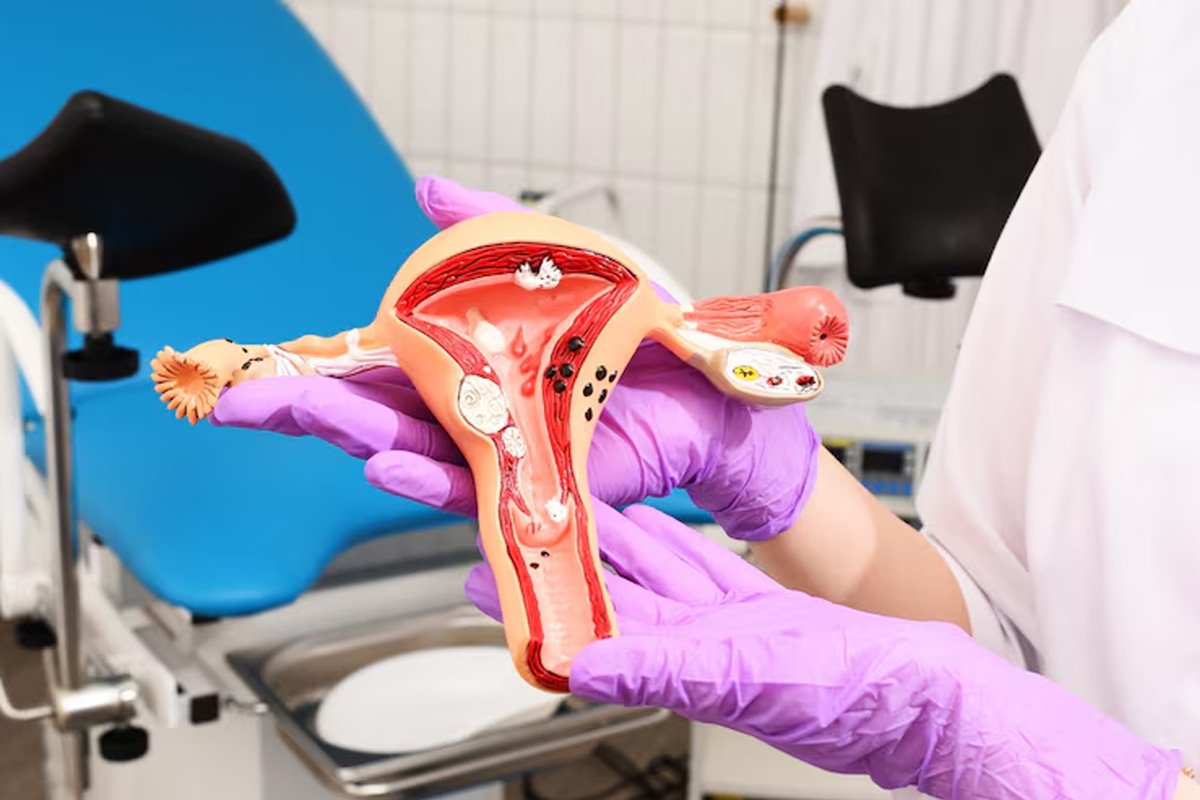
What Is Oophorectomy?
Oophorectomy is a surgical procedure in which one or both ovaries are removed. The ovaries produce eggs and hormones, including oestrogen and progesterone, which play important roles in reproductive and overall health.
Depending on the medical condition, the surgeon may recommend removing only one ovary or both ovaries. Whenever appropriate, the treatment plan considers the patient’s hormonal health and future fertility goals.
Types of Oophorectomy
1. Unilateral Oophorectomy
Unilateral oophorectomy involves removing one ovary while leaving the other in place. It may be considered for selected ovarian cysts, masses or other conditions affecting a single ovary.
When the remaining ovary functions normally, it may continue producing hormones and releasing eggs.
2. Bilateral Oophorectomy
Bilateral oophorectomy involves removing both ovaries. It may be recommended for specific medical conditions, including certain ovarian cancers or selected cases involving a high risk of ovarian cancer.
Removing both ovaries before natural menopause causes immediate surgical menopause. The potential long-term effects and alternatives should be discussed carefully before surgery.
When Is Oophorectomy Recommended?
Oophorectomy may be considered in selected cases involving:
Ovarian masses requiring surgical evaluation or treatment
Certain large, persistent or symptomatic ovarian cysts
Ovarian torsion, depending on tissue viability and clinical circumstances
Suspected or confirmed ovarian cancer
Selected conditions associated with a significantly increased ovarian cancer risk
Other ovarian conditions where removal is medically necessary
Not every ovarian cyst or mass requires removal of an ovary. In suitable cases, ovarian cystectomy or other conservative treatments may be considered.