




Diagnostic/ Operative Hysteroscopy
Diagnostic and Operative Hysteroscopy for Women's Uterine Health
Hysteroscopy is a procedure that helps examine the inside of the uterus and diagnose or treat certain uterine conditions. It may be recommended for women experiencing abnormal uterine bleeding, uterine polyps, fibroids inside the uterine cavity, or difficulty conceiving.
Dr. Alankrita Pandey, Obstetrician & Gynaecologist, provides personalised evaluation and guidance to help determine whether diagnostic or operative hysteroscopy is suitable for your condition.
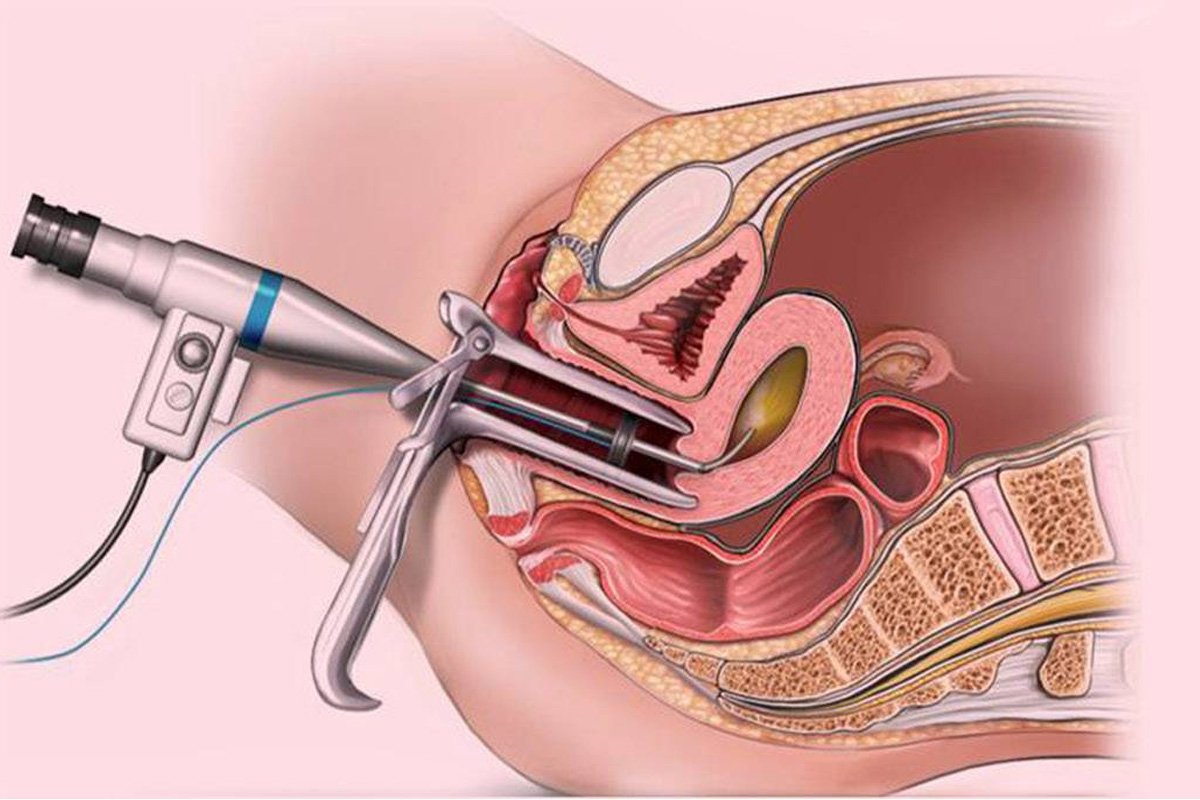
What Is Hysteroscopy?
Hysteroscopy is a gynaecological procedure in which a thin instrument with a camera, called a hysteroscope, is passed through the vagina and cervix to view the inside of the uterus.
It allows the gynaecologist to examine the uterine cavity directly. Depending on the findings, hysteroscopy may be used for diagnosis, treatment, or both.
There are two main types: diagnostic hysteroscopy and operative hysteroscopy.
Diagnostic Hysteroscopy
Diagnostic hysteroscopy is performed to examine the uterine cavity and identify possible causes of symptoms or abnormalities seen on imaging.
It may be recommended for:
Unexplained or abnormal uterine bleeding
Suspected uterine polyps
Possible fibroids inside the uterine cavity
Suspected intrauterine adhesions
Assessment of selected uterine abnormalities
Further evaluation of certain fertility concerns
The findings help your gynaecologist decide whether further investigation or treatment is required.
Operative Hysteroscopy
Operative hysteroscopy allows certain uterine conditions to be treated during the procedure using specialised instruments passed through the hysteroscope.
Depending on the diagnosis, it may be used for:
Removal of uterine polyps
Treatment of selected submucosal fibroids
Removal of intrauterine adhesions
Treatment of certain abnormalities inside the uterine cavity
Other appropriate procedures based on individual findings
The type of procedure depends on the condition being treated, its size and location, and your overall health.