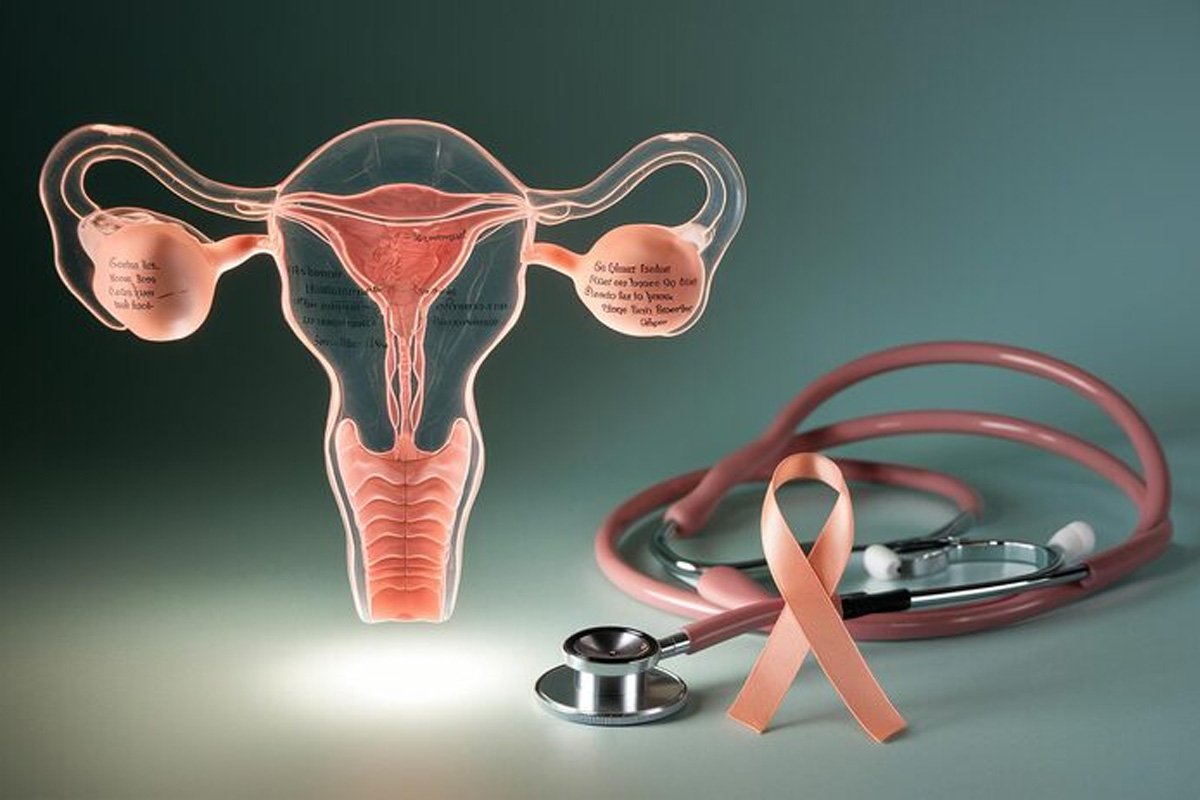
Radical Hysterectomy for Selected Gynaecological Cancers
Gynaecological Cancer Surgery in Delhi
Radical hysterectomy is a specialised surgical procedure used in selected cases of gynaecological cancer, particularly certain cancers of the cervix. The procedure involves removing the uterus, cervix, surrounding tissues, and, when indicated, nearby structures or lymph nodes.
The appropriate treatment depends on the type and stage of cancer, tumour characteristics, and the patient’s overall health. Consultation with a gynaecological cancer specialist and a multidisciplinary team is essential for treatment planning.
What Is a Radical Hysterectomy?
A radical hysterectomy is a more extensive operation than a simple or total hysterectomy. It typically involves removing the uterus, cervix, surrounding supporting tissues called parametria, and a portion of the upper vagina.
Assessment of nearby lymph nodes may also be required, depending on the cancer diagnosis and treatment plan.
The procedure is most commonly considered for selected cases of cervical cancer. It is not suitable for every gynaecological cancer or every stage of disease.
When Is Radical Hysterectomy Recommended?
Radical hysterectomy may be considered in carefully selected patients with certain early-stage cervical cancers when surgery is an appropriate treatment option.
The decision depends on several factors, including:
The type and stage of cancer
Tumour size and location
Whether the cancer has spread beyond the cervix
Lymph node assessment and other investigation findings
The patient’s general health and treatment preferences
Other gynaecological cancers, including ovarian and endometrial cancers, may require different surgical approaches. Treatment should be planned according to the specific diagnosis.