




Severe Menstrual Bleeding
Severe Menstrual Bleeding Treatment
Severe menstrual bleeding, also known as heavy menstrual bleeding or menorrhagia, is a condition in which menstrual periods involve excessive blood loss or last longer than usual. It can affect a woman’s daily routine, physical comfort, and overall quality of life. Seeking timely medical care for severe menstrual bleeding can help identify the underlying cause, manage symptoms, and reduce the risk of complications such as iron deficiency anaemia.
Women experiencing heavy periods may need to change sanitary pads or tampons frequently, pass large blood clots, or experience prolonged bleeding. Some may also experience fatigue, weakness, dizziness, or shortness of breath due to excessive blood loss.
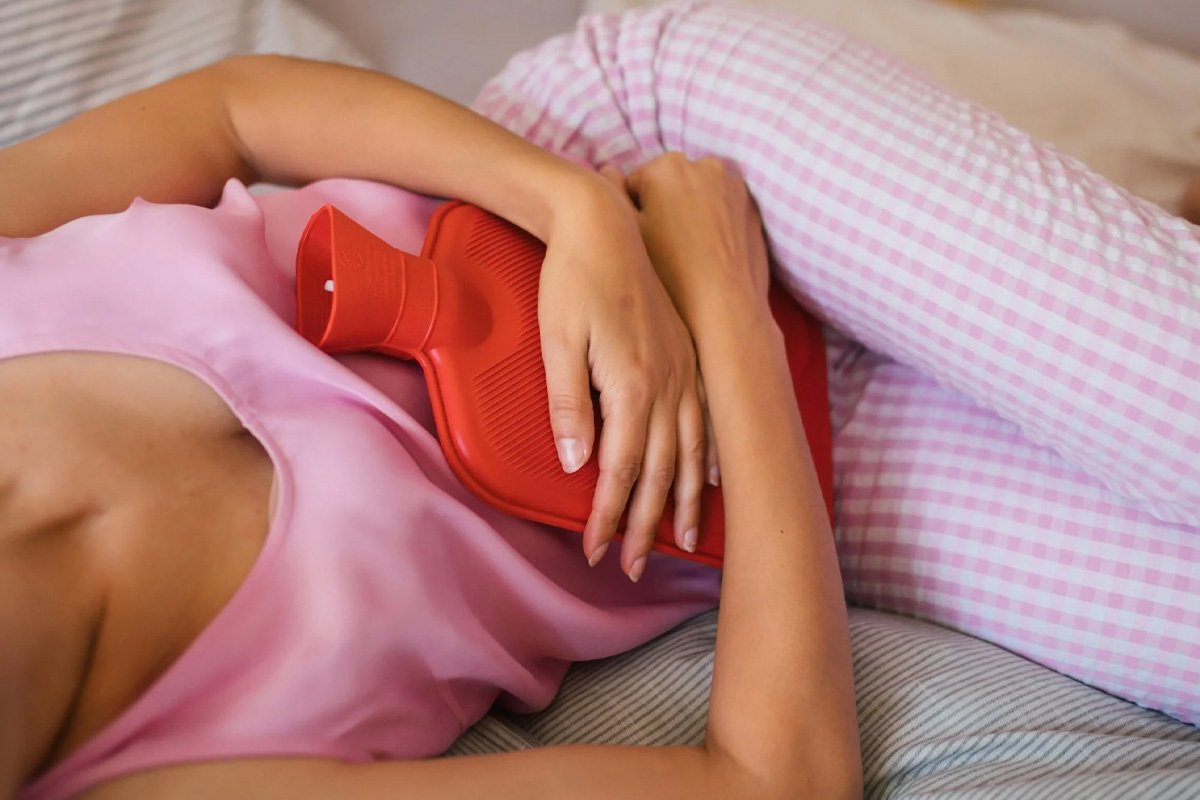
Symptoms of Heavy Menstrual Bleeding
Recognising the warning signs of severe menstrual bleeding can help women seek timely medical attention.
Common symptoms include:
- Menstrual bleeding lasting longer than seven days
- Soaking through sanitary pads or tampons every one to two hours
- Passing large blood clots during periods
- Severe menstrual cramps or pelvic discomfort
- Feeling unusually tired, weak, or dizzy
- Shortness of breath associated with possible anaemia
- Menstrual bleeding that interferes with work, studies, or daily activities
When Should You Consult a Gynaecologist?
Consult a gynaecologist if your periods are consistently heavy, prolonged, irregular, or accompanied by unusual pain or fatigue. A medical evaluation may include a physical examination, blood tests, and ultrasound imaging, depending on your symptoms. Seek urgent medical care if you are soaking through a pad or tampon every hour for more than two consecutive hours, particularly if you experience dizziness, fainting, chest pain, or shortness of breath. Early diagnosis and personalised severe menstrual bleeding treatment can help manage symptoms, address underlying conditions, and support better menstrual and reproductive health.