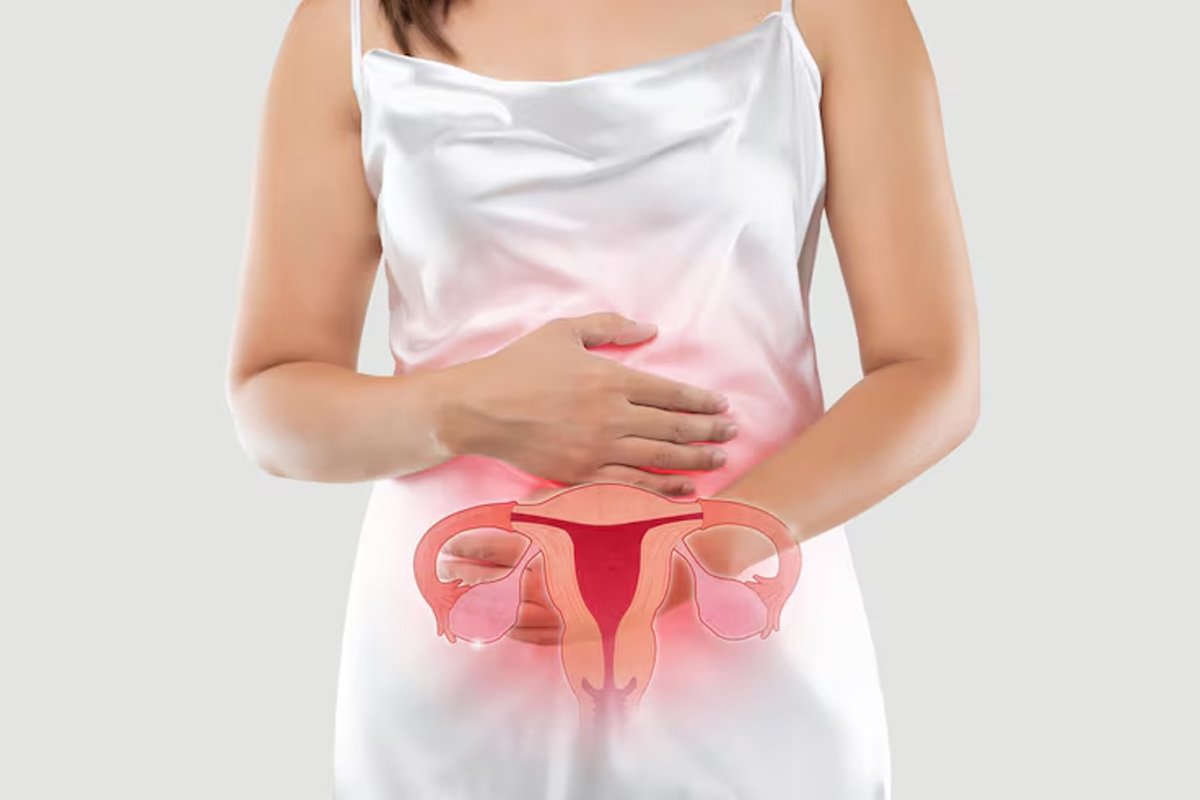
Uterine prolapse occurs when the uterus descends into the vaginal canal because the pelvic floor muscles and supporting tissues become weakened. It may cause pelvic pressure, a feeling of heaviness, a vaginal bulge, or difficulties with daily activities.
Depending on the severity of the prolapse, symptoms, general health, and personal preferences, surgical treatment may help restore pelvic support and improve comfort.
Dr. Alankrita Pandey, Obstetrician & Gynaecologist, provides personalised evaluation and guidance to help women understand suitable treatment options for uterine prolapse.
What Is Uterine Prolapse?
Uterine prolapse is a form of pelvic organ prolapse in which the uterus moves downward from its normal position into the vagina. It occurs when the muscles, ligaments, and connective tissues supporting the pelvic organs become weakened.
The condition may develop after childbirth, with ageing, after menopause, or due to factors that place repeated pressure on the pelvic floor.
Mild prolapse may cause few or no symptoms, while more advanced prolapse can interfere with everyday activities and quality of life.
Common Symptoms of Uterine Prolapse
Symptoms can vary depending on the degree of prolapse and may include:
A feeling of heaviness or pressure in the pelvis
A bulge or tissue protruding into or outside the vagina
Lower abdominal or pelvic discomfort
Difficulty passing urine or a sensation of incomplete bladder emptying
Bowel movement difficulties
Discomfort during sexual activity
Symptoms that worsen after prolonged standing or physical activity
If you notice a vaginal bulge, persistent pelvic pressure, or difficulty emptying your bladder, consult a gynaecologist for assessment.